

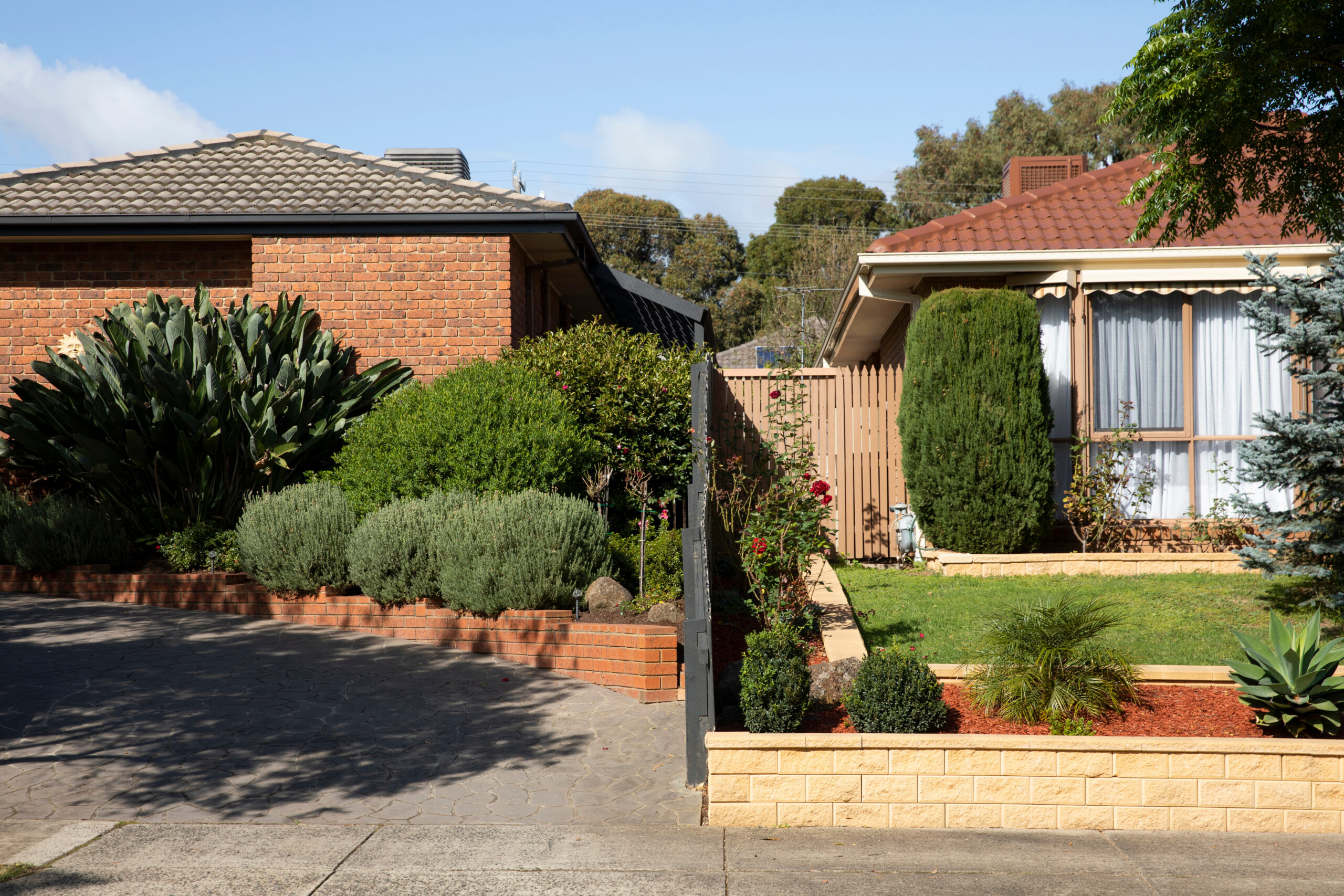
Property disputes between neighbors are more common in coastal Georgia than many people expect. The region’s mix of historic land parcels, waterfront boundaries, and rapidly developing communities creates a perfect environment for disagreements over where one property ends and another begins. Whether a neighbor has built a fence in the wrong place, a survey turns up conflicting descriptions, or years of use have blurred what the deeds actually say, boundary disputes can escalate quickly and carry serious legal consequences if not addressed properly.
At Taylor Odachowski Schmidt & Crossland LLC, we work with property owners throughout Brunswick, St. Simons Island, and the surrounding Golden Isles to resolve these disputes efficiently and protect their real estate interests. Understanding the steps involved can make a significant difference in how a dispute unfolds and what outcome you can realistically expect.
Start With Your Documents and a Professional Survey
The foundation of any boundary dispute is the paper trail. Before taking any other action, gather your deed, your plat, and any survey documents associated with your property. These establish the legal description of your land and define where your boundaries are on paper.
Why a New Survey Often Becomes Necessary
Older deeds in Georgia, particularly those tied to coastal or rural properties, can contain descriptions that are vague, inconsistent, or that reference landmarks that no longer exist. A licensed land surveyor can locate monuments, plot the physical boundary lines, and produce a current report that both sides can reference. Having this objective document in hand often clarifies disputes that were rooted in misunderstanding rather than a genuine conflict over ownership.
Once a professional survey is complete, you are in a far stronger position to approach your neighbor directly. Sharing that information calmly and factually sometimes resolves the issue without any further escalation.
Consider Negotiation and Mediation Before Litigation
Litigation between neighbors is rarely anyone’s first choice, and for good reason. Even when you prevail in court, you still live next to that person afterward. Georgia law under O.C.G.A. § 23-1-21 actually encourages parties in a boundary dispute to resolve uncertain or disputed boundary lines through agreement, acquiescence, or arbitration rather than court action.
Mediation is one of the most practical options available. A neutral third party facilitates a conversation between both property owners, helps generate options, and guides both parties toward a resolution they can live with. Any agreement reached should be documented in writing and, when it involves a change to the established boundary, properly recorded in the county land records to protect both parties going forward.
Understanding Georgia’s Legal Framework for Boundary Disputes
If negotiation does not resolve the matter, it helps to understand what legal tools are available in Georgia before moving to litigation.
Adverse Possession and Its Timelines
One concept that often comes up in boundary disputes is adverse possession. Under Georgia law, a party who has possessed a piece of land openly, continuously, exclusively, and without permission for a sufficient period of time can potentially claim legal title to that land. Georgia recognizes a standard 20-year adverse possession period, though that period shortens to seven years when the possessing party holds color of title, meaning written documentation suggesting ownership. If you believe a neighbor has been using a portion of your property long enough to raise an adverse possession claim, addressing the situation sooner rather than later is critical.
Quiet Title Actions and Litigation Options
When informal resolution is not possible, Georgia courts offer several paths forward. A quiet title action asks a court to formally declare who holds legal title to a disputed parcel, clearing any competing claims from the record. This is particularly valuable when the dispute involves overlapping deed descriptions or a cloud on title that could affect your ability to sell or finance the property in the future. Alternatively, an ejectment or trespass action may be appropriate if a neighbor’s structure or improvement has physically crossed the property line and they have refused to address it.
We handle both negotiated resolutions and courtroom litigation for property boundary disputes throughout the Brunswick and Golden Isles area. Our experience in Georgia real estate law means we are familiar with the local surveying landscape, the Glynn County land records, and the specific legal dynamics that affect coastal properties in this region.
Contact a Real Estate Attorney at TOSC
The earlier you involve an attorney in a boundary dispute, the more options typically remain available to you. Waiting until tensions have escalated or a neighbor has already filed suit can limit the strategies available and increase costs significantly. Documentation gathered early, including photographs, surveys, and written communications with your neighbor, can be invaluable later.
If you are dealing with a disputed fence line, an encroachment on your land, or an ambiguous deed description that has put you at odds with an adjacent property owner, our team at TOSC is here to help you understand your rights and take the right steps forward. Contact us to speak with a member of our real estate legal team and find out how we can help protect your property interests in coastal Georgia.
