
Closing day turns months of searching, negotiating, and financing into a single signature that moves a property from one owner to another. A missed lien, a boundary question, or a confusing loan document at that table can cost far more than the time it takes to review them beforehand.
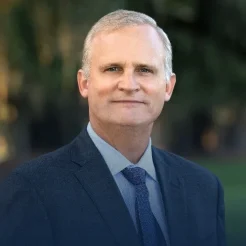
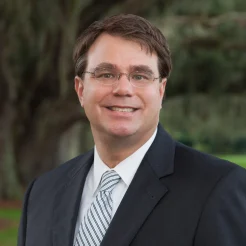
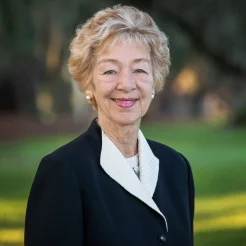
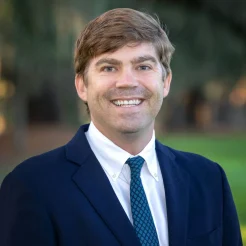
At Taylor Odachowski Schmidt & Crossland, LLC (TOSC), our Brunswick closing lawyers have spent decades guiding local buyers and sellers through real estate transactions, as part of the firm’s broader Brunswick real estate practice. We help review the details early so your closing can move forward with fewer surprises.
⚠ Review Your Documents Before Closing Day
In Georgia, a licensed Georgia attorney prepares the deed and conducts the real estate closing, so questions about title, liens, and loan terms are more useful to raise well before you sit down to sign.
TOSC is a Martindale-Hubbell AV™ rated firm with more than 350 years of combined attorney experience across Georgia.
The Role of a Brunswick Closing Attorney in Your Real Estate Transaction
Georgia handles closings differently from many other states. Rather than leaving the process to a title company alone, Georgia treats the closing as legal work, and the closing attorney oversees title work, document preparation, signing, and funding. That oversight helps make sure the transaction follows Georgia law and protects your interests.
Several people take part in a closing, and each has a different job. The table below shows how those roles typically fit together.
| Participant | Typical Role |
|---|---|
| Closing attorney | Examines title, prepares the deed and closing documents, conducts the closing, and oversees recording |
| Buyer | Reviews the contract, loan terms, and closing figures, and signs the documents at closing |
| Seller | Provides ownership records, clears liens, and signs the deed |
| Lender | Supplies loan documents and sets requirements such as insurance |
| Real estate agent | Coordinates dates, inspections, and communication between the parties |
Because so many parties are involved, a single delay can ripple through the whole schedule. An attorney who is watching the details can often address problems before they affect your closing date.
How Our Closing Process Works
Every transaction is different, but most of our closings move through the same four stages. Knowing what comes next can make a busy period feel more manageable.
Contract Review
We review the purchase and sale agreement, including deadlines, contingencies, and who pays for what.
Title Examination
We search property records, tax information, and court documents to confirm ownership and spot liens or easements.
Document Preparation
We prepare the deed and affidavits, review lender documents, and explain the closing figures in plain language.
Closing and Recording
We conduct the closing, manage funds, and make sure documents are recorded with Glynn County after signing.
If a problem appears along the way, such as a defect in the title or a last-minute lender request, we work with the other parties to resolve it.
What a Brunswick Closing Lawyer Handles
A closing attorney does much more than collect signatures. Our work for buyers and sellers commonly includes the following tasks.
- Title examination: checking for liens, easements, and other claims that affect the property.
- Document preparation: drafting and reviewing the deed, affidavits, and closing disclosures.
- Coordination: working with lenders, agents, and other parties to clear issues before closing.
- Escrow management: overseeing funds and making sure they are disbursed properly.
- Recording: filing the necessary documents with Glynn County after the closing.
- Problem solving: addressing legal complications that could delay or block the sale.
Having one attorney watch each of these steps may reduce the chance that something is missed, and it gives you a single point of contact with questions.
Common Closing Issues in Brunswick Real Estate Transactions
Brunswick’s historic neighborhoods and coastal setting can create challenges that do not come up in every Georgia town. The sections below describe issues we often help clients work through.
Title Problems and Property History
Older properties may have complicated ownership histories. Our attorneys search the records to identify and address the problems in the cards below.
Unrecorded Easements
Rights-of-way or access rights that are not obvious from walking the property.
Survey and Boundary Gaps
Differences between a survey and the recorded description that may lead to disputes. See our note on property boundary disputes.
Liens and Unpaid Fees
Claims from contractors, taxes, or homeowners’ association fees that must be cleared.
Chain of Title Breaks
Improper past transfers that may leave questions about who owns what.
When we find a defect, we discuss remedies that may include obtaining releases, quitclaim deeds, or, when necessary, a quiet title action.
Coastal Property Considerations
Brunswick’s proximity to coastal waters adds legal and insurance questions to a purchase. For example, FEMA’s FloodSmart program explains that flood insurance is required when a property is in a Special Flood Hazard Area and has a government-backed mortgage, and some lenders require it even outside those areas.
| Topic | Why It May Matter |
|---|---|
| Flood zone and insurance | May affect lender requirements and the yearly cost of owning the property |
| Wetland restrictions | May limit how land can be developed or changed |
| Setback and erosion rules | May affect where you can build or improve |
| Beach access and public easements | May affect privacy and how you can use the property |
Our guide to coastal property rights covers more of these topics, and raising them before closing helps prevent future surprises about the property’s value or use.
Financing and Closing Disclosure Issues
Even with a strong contract, financing details can shift before closing. We review loan documents to confirm the terms match what you were told, explain the fees on your closing disclosure, and address late lender requests. We also help sort out questions about down payments, earnest money, and escrow funds.
Documents You May See at a Georgia Closing
A closing involves a stack of paperwork, and it helps to know what each piece does before you sit down to sign. The exact set depends on the transaction and the lender, but the table below lists items that commonly come up.
| Document | General Purpose |
|---|---|
| Deed | Transfers ownership of the property from the seller to the buyer |
| Closing disclosure | Lists loan terms, fees, and the cash needed to close |
| Affidavits | Confirm facts about the property or the parties, such as ownership or possession |
| Loan documents | Set out the terms of the buyer’s financing and the lender’s security interest |
| Payoff statements | Show amounts owed on existing loans or liens that must be cleared |
If anything on these documents looks unfamiliar, ask before closing day. Our attorneys walk through the figures with you so the numbers match your contract and your expectations.
After the Closing
Our work does not stop when the papers are signed. We make sure documents are properly recorded with Glynn County authorities and help resolve any issues that appear afterward.
We can also point you to guidance on property tax matters and the Georgia homestead exemption, which may apply to your new home.
Why Choose Taylor Odachowski Schmidt & Crossland for Your Brunswick Closing
Real estate transactions are major financial decisions, and our attorneys have guided countless Brunswick buyers and sellers through them. We combine local knowledge with extensive legal experience and pay close attention to details. If your plans involve business property, our commercial real estate team can help, and you can read more about a real estate closing in Georgia on our blog.
We explain complicated terms in clear language, so you know what you are signing and why. That kind of clarity is one reason clients rely on our team as a long-term legal resource.
Brunswick Closing Questions
Buyers and sellers often ask us the questions below.
Do I need an attorney to close on a home in Georgia?
In Georgia, a licensed Georgia attorney prepares the deed and conducts the closing, so an attorney is part of nearly every transaction. Our team can serve as your closing attorney and answer questions along the way.
What does a closing attorney do for a buyer?
We examine the title, prepare closing documents, review lender paperwork, explain the closing figures, conduct the closing, and oversee funds and recording.
How long does a closing take?
Timelines vary based on the contract, lender, survey, and title work. Raising questions early gives us more time to resolve issues before your closing date.
What should I bring to my closing?
Your attorney or lender will provide a list, but buyers are often asked for photo identification and proof of funds, and sellers may need records related to liens or payoffs.
Do coastal properties in Brunswick have extra closing issues?
They can. Flood zones, wetland restrictions, setback lines, and public easements may affect the cost and use of a coastal property, so we review those items before closing.
Contact Taylor Odachowski Schmidt & Crossland, LLC for Your Brunswick Closing
TOSC is a full-service, Martindale-Hubbell AV™ rated law firm with more than 350 years of combined attorney experience and offices around Georgia. Our team works to identify potential issues early so your transaction can move forward with fewer delays.
If you are buying or selling property in Brunswick or Glynn County, our attorneys are ready to review your documents and explain each step, so contact us through our form to get started.